
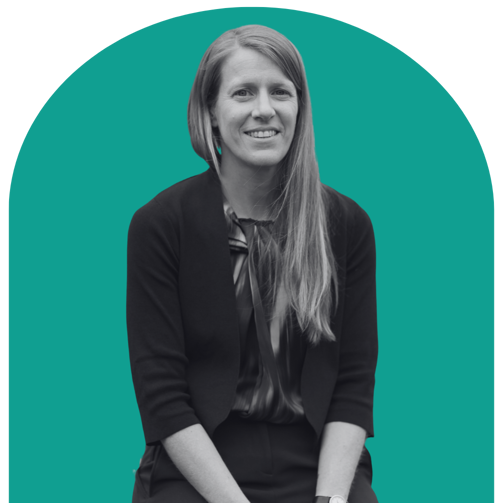
Caroline Robinson is Executive Director of Worker Support Centre
 This project was funded through our Work Pathways theme. Find out more about this theme here.
In this piece, Caroline Robinson, WSC's Executive Director, talks about their 'Fair Work For all: Building Bridges' project. This project was awarded a Programme Award, now our Big Change Grants. Big Change Grants are for work that tackles the underlying causes of poverty - these are often systemic and structural and sit at a societal level, beyond the control of individuals, households or communities working separately.
The purpose of the project is to engage directly with the experiences of people working in seasonal agriculture and social care on temporary visas, to better understand the barriers they face in accessing fair work. This includes experiences both inside and outside the workplace, from insecure work and poor conditions to challenges relating to health, housing and childcare. By gathering workers' experiences and solutions, and connecting this evidence to key decision-makers, the project aims to put workers at the heart of policy and practice to improve working conditions and prevent exploitation.
What is the potential change this work could lead to? The project seeks to deliver lasting structural change in how low-income workers experience work in Scotland. It aims to strengthen worker rights and protections, improve business practices, and support access to work that offers greater security, flexibility, wellbeing and autonomy.
Funders can help by backing influencing work over several years, and by accepting that change led by the people affected moves at the pace of trust.
What is this project working to achieve?
Fair work for everyone in Scotland, including the people who bring in our harvest and care for our families. We work with seasonal agricultural workers and, for the first time, social care workers on visas. Both groups do vital work but face high risks of exploitation, poverty and trauma because of how their sectors are structured and because their right to be in the UK is tied to a temporary or restricted visa. Many are socially isolated and not yet represented by trade unions.
We started by listening. Workers documented the barriers they face to fair work - and the changes that would remove them. Then we came together with workers to take their solutions to the people with the power to improve their conditions.
Where are you focusing your support right now?
The project has now evolved into a new phase. Workers in both sectors developed their own Fair Work Roadmaps, which have become a Policy Influencing Plan. Each worker priority has been turned into a specific policy ask, from housing standards and pay to enforcement and protection for people who speak up. Our focus now is delivering that plan collectively with workers, through regular Worker Power sessions where they set direction and review progress.
What elements of your service or activities have made the biggest difference for those you work with?
Workers setting the policy agenda themselves. When people agree their priorities as a collective and put them directly to decision makers, then change happens.
In seasonal agriculture, worker-led evidence secured a Scottish Government commitment to national housing standards. Ministers and officials are now discussing those standards, and we are working with local authorities on how they might put them into practice. Payslip evidence we shared with the UK Director of Labour Market Enforcement led to a formal review, now with the Fair Work Agency.
In social care, workers' engagement with the Scottish Government shaped its support package for care workers who lose their jobs when an employer's sponsorship licence is revoked.
How do poverty and trauma figure in your work?
Our Worker Power approach is trauma-informed. Many of the people we work with have experienced severe trauma, through the immigration system and at work. We are guided by their experiences and needs, and we recognise that part of their recovery may be reconnecting with others and achieving justice.
Workers in seasonal agriculture and social care are often surviving on less than the minimum wage, with no recourse to public funds. In care, people are often the sole provider for their family, and many also support extended family back home. High fees for workplace equipment, training, insurance, fuel and housing bring take-home pay lower still, leaving people struggling to get by.
How can funders support your work?
Long-term funding gives us time to build relationships with workers. Those relationships are what produced the commitments outlined above, and they are shifting the balance of power in decision-making spaces towards the people who need it most. Funders can help by backing influencing work over several years, and by accepting that change led by the people affected moves at the pace of trust.
What are the biggest challenges/barriers facing you as an org and/or those you work with/support?
For workers, the imbalance of power is the biggest challenge. When your visa depends on your employer, raising concerns can lead to loss of job, home and right to remain. Repercussions for speaking up have increased over the past 18 months, and most workers we work with now fear reprisals, in a political climate that has become more hostile to people who move here for work.
For WSC, the challenge is time. Policy change runs on long, unpredictable timelines that funding rarely does. Our independent evaluation found that the foundations built in this project risk stalling without continued investment in influencing.
What changes would you like to see in your area of focus during the next decade?
Work that keeps people out of poverty instead of trapping them in it. For people who come here to work, that means fair pay, safe housing, secure employment and access to justice, backed by enforcement that works. It means dignity and respect in every workplace. And it means decision makers routinely asking workers about their experiences and implementing their solutions. We all deserve to be safe, valued and respected at work - no matter our job, visa type or nationality.