Poverty and trauma are closely linked challenges that can profoundly affect people’s wellbeing, opportunities, and life chances. They are not inevitable or fixed, but when they persist, they can create cycles that are hard to break without support.
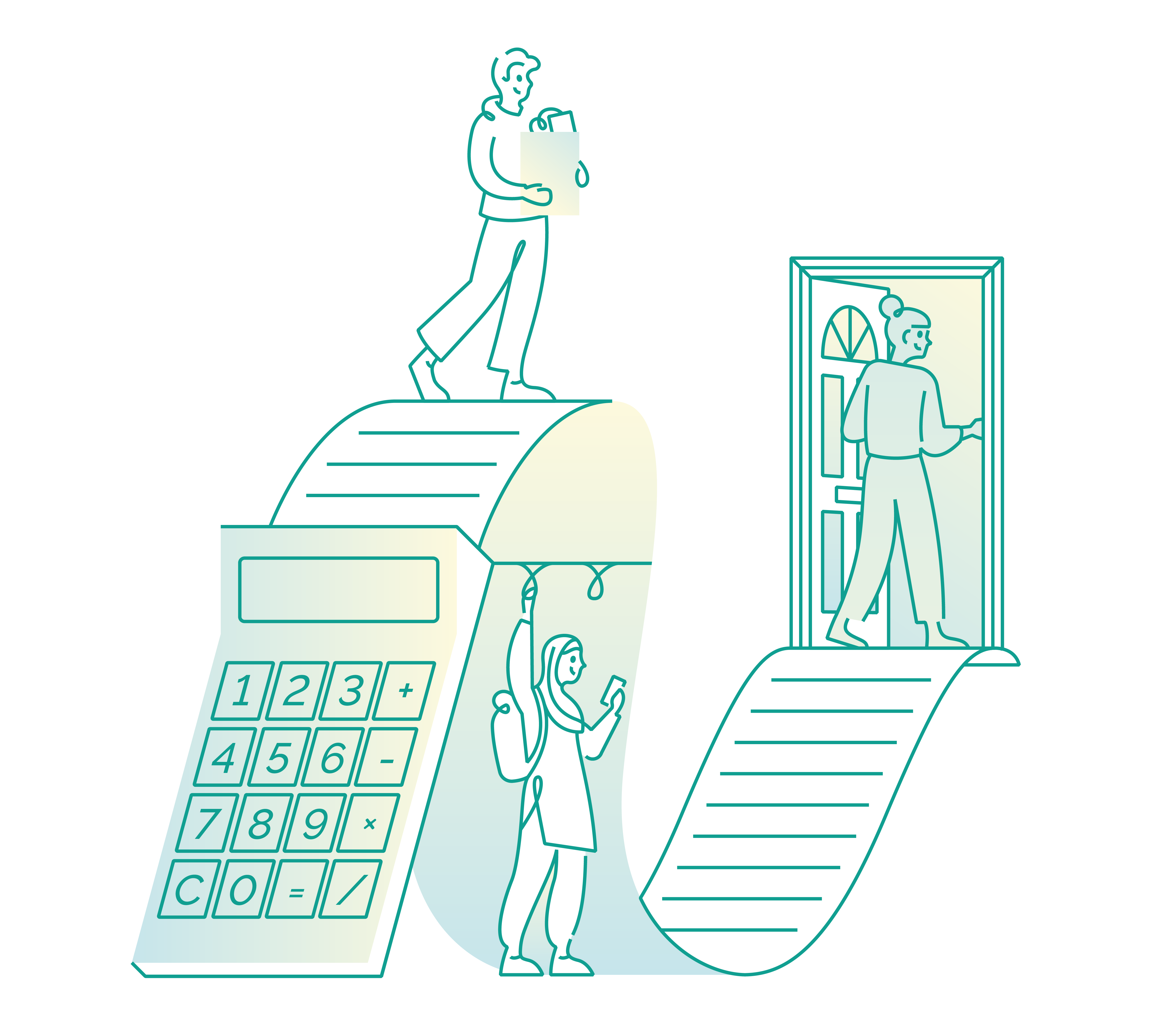
Poverty is about far more than financial hardship. It can mean struggling to heat your home, pay rent, or afford essentials like food and clothing. It brings daily uncertainty, impossible choices, and stress that can affect emotional health, relationships, and the ability to participate fully in society.
Trauma, meanwhile, is a response to experiences that are frightening, harmful, or overwhelming. It can have lasting effects on wellbeing, sense of safety, trust, and relationships. Trauma can occur at any stage of life and may be triggered by a single event or by prolonged or repeated experiences. While many people recover and grow from trauma, for some the effects are long-lasting. Poverty itself can be traumatic, increasing stress and exposure to other risks, while trauma can heighten vulnerability to poverty. Addressing both together is essential to breaking these cycles and creating lasting change for individuals, families, and communities.
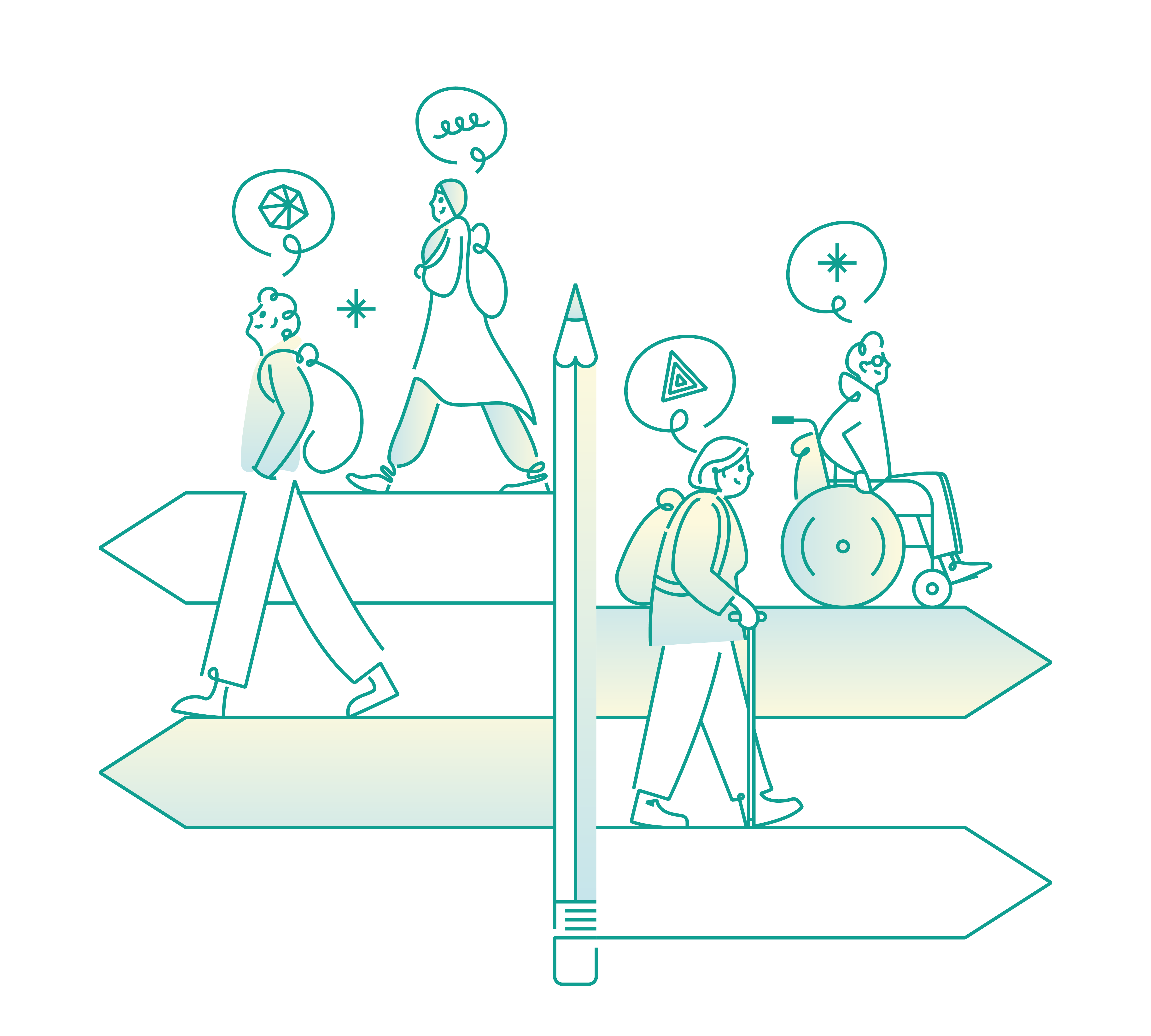
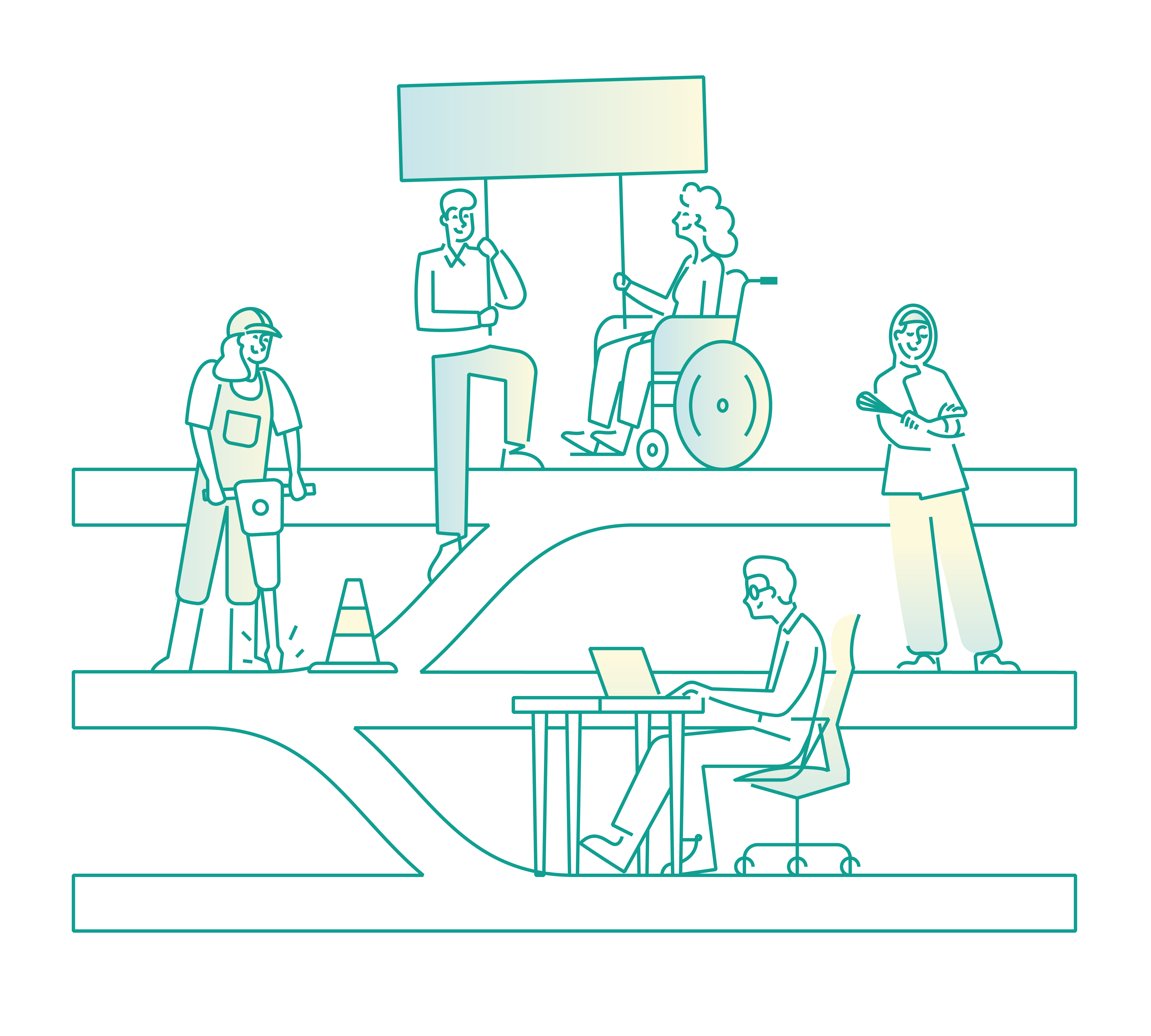
We focus on tackling both the causes and impacts of poverty and trauma. Meaningful change happens when people, families, and communities are supported to develop their own solutions. Our work is organised around four thematic priorities – Education Pathways, Financial Security, Work Pathways, and Nurturing Relationships – each designed to address interconnected challenges and help people and communities thrive.